


پزشکیان: ملت ایران هیچ دشمنی با ملتهای دیگر، از جمله مردم آمریکا، اروپا و همسایگان خود نداشته است | واکنش ایران تنها دفاع است نه آغاز جنگ و تجاوز
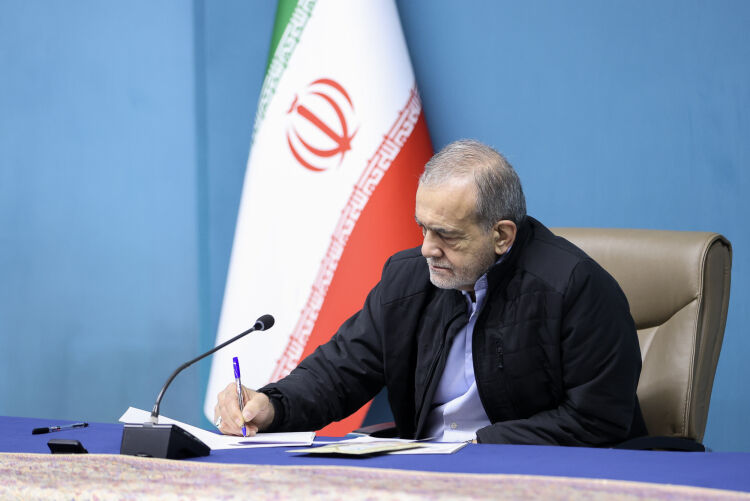
به گزارش اقتصادنیوز به نقل از ایسنا، متن کامل پیام رئیسجمهوری اسلامی ایران به مردم آمریکا به شرح زیر است:
«به مردم ایالات متحده آمریکا و آنان که در میان انبوه تحریف و روایتهای برساخته، در جستجوی حقیقت و زندگی بهتر هستند.
ایران، با همین نام، همین هویت و همین موجودیت، یکی از کهنترین تمدنهای پیوسته تاریخ بشر است؛ تمدنی که با وجود برخورداری از برتریهای تاریخی و جغرافیایی در مقاطع متعدد، در تاریخ معاصر خود هرگز مسیر جنگطلبی، تجاوز، استعمار و سلطهگری را انتخاب نکرده و علیرغم تجربه اشغال، تجاوز و فشارهای تحمیلی از سوی قدرتهای جهانی، و با وجود توانمندیهای نظامی نسبت به بسیاری از کشورهای پیرامون خود، آغازگر جنگ نبوده اما متجاوزان را دلاورانه به عقب رانده است.
ملت ایران هیچ دشمنی با ملتهای دیگر، از جمله مردم آمریکا، اروپا و همسایگان خود نداشته است. ایرانیان، حتی در مواجهه با مداخلات و فشارهای دولتهای خارجی در طول تاریخ، همواره میان ملتها و دولتها تمایز قائل شدهاند؛ این یک اصل ریشهدار در ذهن و فرهنگ این ملت است، نه یک موضع مقطعی.
بر همین اساس، تصویرسازی از ایران بهعنوان یک تهدید، نه با واقعیت تاریخی سازگار است و نه با واقعیتهای عینی امروز. این تصویر، محصول نیازهای سیاسی و اقتصادی ساختارهای قدرت است؛ نیاز به دشمنسازی برای توجیه فشار، حفظ برتری نظامی، تغذیه صنایع تسلیحاتی و مدیریت بازارهای راهبردی. در چنین چارچوبی، اگر تهدیدی وجود نداشته باشد، ساخته میشود.
در نتیجه همین رویکرد است که امروز، بیشترین تمرکز نیروها، پایگاهها و ظرفیتهای نظامی ایالات متحده در پیرامون ایرانی شکل گرفته است که دستکم از ابتدای حیات ایالات متحده آغازگر هیچ جنگی نبوده است. تجاوزات اخیر آمریکا از مبدأ این پایگاهها، تهدیدآمیز بودن چنین حضوری را به اثبات رسانده است و بدیهی است که هیچ کشوری در برابر چنین شرایطی، از تقویت توان دفاعی خود صرفنظر نخواهد کرد؛ آنچه ایران انجام داده و می¬دهد، تنها واکنش و دفاع است و نه آغاز حمله، جنگ و تجاوز.
روابط ایران و آمریکا بر پایه تقابل شکل نگرفته بود و ارتباط میان دو ملت، بدون خصومت و تنش پیش میرفت. نقطه عطف این مسیر، کودتای ۱۳۳۲ بود؛ مداخلهای که با هدف مقابله با ملی شدن منابع ایران صورت گرفت، روند دموکراسی را متوقف کرد، دیکتاتوری را بازگرداند و بیاعتمادی را در ذهن ایرانیان نسبت به سیاستهای ایالات متحده شکل داد. این بیاعتمادی، با حمایت از حکومت پیش از انقلاب، پشتیبانی از صدام حسین در جنگ تحمیلی، اعمال طولانیترین و گستردهترین تحریمها و در نهایت، اقدامات نظامی مستقیم علیه ایران هر روز عمیقتر شده است.
با وجود این فشارها، ایران نهتنها تضعیف نشده، بلکه در حوزههای مختلف تقویت شده است: رشد چشمگیر و سه برابری سطح سواد(از ۳۰٪ به ۹۰٪)، توسعه آموزش عالی، پیشرفت در فناوریهای نوین، گسترش خدمات بهداشتی و تقویت چشمگیر و غیرقابل مقایسه زیرساختها، نشاندهنده ظرفیت درونی و توان سازگاری این کشور است. این واقعیتها، مستقل از روایتهای رسانهای، قابل مشاهده و سنجشاند.
البته نمیتوان از تأثیر مخرب و ضدانسانی تحریم، جنگ و تجاوز بر زندگی کردم دلاور ایران چشمپوشی کرد. تداوم اقدامات نظامی، از جمله حملات اخیر، بهطور طبیعی بر نگاه و احساسات ملتها اثر میگذارد. این یک واقعیت انسانی است: مردمی که هزینه جنگ را با جان، خانه، شهر و آینده خود میپردازند، نسبت به عامل آن بیتفاوت نخواهند ماند.
در این میان، پرسشی اساسی مطرح است: این جنگ دقیقاً در راستای کدام منفعت واقعی مردم آمریکا است؟ چه تهدید عینیای از سوی ایران وجود داشته که چنین اقداماتی را توجیه کند؟ آیا قتا عام کودکان بیگناه، تخریب مراکز داروسازی برای سرطان و یا زیادهگویی مبنی بر بمباران یک ملت به عصر حجرمنفعتی جز تخریب هرچه بیشتر تصویر جهانی آمریکا دارد؟
ایران مسیر مذاکره را پیموده، به توافق رسیده و تعهدات خود را اجرا کرده است؛ این خروج از توافق و حرکت بهسوی تقابل، و بعد، دو بار حمله در میانه مذاکره، تصمیمهای مخربی بوده که از سوی دولت ایالات متحده و در اجرای مطامع تجاوزگران خارجی اتخاذ شده است.
آغاز حملات علیه زیرساختهای حیاتی ایران، از جمله تأسیسات انرژی و صنعتی، اقدامی است که هدف مستقیم آن مردم ایران هستند و افزون بر اینکه یک جنایت جنگی به شمار میآید، پیامدهای آن بی هیچ گونه تردیدی فراتر از مرزهای ایران خواهد رفت. این حملات، بهمعنای گسترش بیثباتی، افزایش هزینههای انسانی و اقتصادی، و ایجاد چرخهای از تنش و کاشتن بذر کینه است که آثار آن برای سالها باقی خواهد ماند. این مسیر، نشانه قدرت نیست؛ نشانه سردرگمی و ناتوانی در دستیابی به راهحل پایدار است.
آیا غیر از این است که امریکا به عنوان نیروی نیابتی اسرائیل و با تحریک این رژیم پا به این تجاوز گذاشته است؟ آیا غیر از این است که اسرائیل با تهدید نمایی ایران میخواسته افکار عمومی جهان را از جرائم خود به سمت تهدید غیرواقعی که از ایران بازنمایی کرد است متمرکز کند؟ آیا غیر از این است که حالا اسرائیل تصمیم گرفته تا آخرین سرباز امریکایی و آخرین سنت مالیات آمریکاییها با ایران بجنگد، هزینهها را به ایران، کشورهای منطقه و امریکا تحمیل کند و خود در حاشیه امن قرار بگیرد؟ آیا واقعاً امروز در فهرست اولویتهای دولت ایالات متحده، اول امریکاست؟
من از شما دعوت میکنم به جای توجه به تبلیغات رسانهای هدفمند، که خود بخشی از جنگ است، به دوستان خود که به ایران آمدهاند، به آمار ایرانیانی که پس از تحصیلات عالی در ایران در بهترین دانشگاههای جهان در حال تدریس و تحقیق یا در مهمترین شرکتها در حال کار هستند نگاه کنید. آیا این واقعیات با آنچه رسانه از ایران به شما میگوید مطابقت دارد؟
جهان امروز در نقطهای قرار دارد که تداوم مسیر تقابل، بیش از هر زمان دیگری پرهزینه و بینتیجه است. انتخاب میان تقابل و تعامل، یک انتخاب واقعی و سرنوشتساز است؛ انتخابی که پیامدهای آن، آینده نسلها را رقم خواهد زد. ایران در طول هزاران سال حیات پرافتخار خود متجاوزان بسیاری را دیده است. از آنها جز نام ننگی در تاریخ نمانده و ایران همچنان پرافتخار ایستاده است.»
In letter to American people
President Pezeshkian says Iran has never initiated war
News ID : 163969
2026/04/01
| 21:48
Iranian President Masoud Pezeshkian addressed the American public in a letter released on Wednesday, inviting people in that country to look beyond political rhetoric and reconsider the realities of Iran’s past, present, and aspirations for a future defined not by confrontation, but by truth, dignity, and mutual understanding. The president said in his letter that in a world shaped by competing narratives and deep geopolitical tensions, the relationship between Iran and the United States remains one of the most misunderstood. He emphasized that Iran has never, in its modern history, chosen the path of aggression, expansion, colonialism, or domination, and never initiated any war.
President Pezeshkian says Iran has never initiated war
The full letter is as follows:
In the name of God, the Compassionate, the Merciful
To the people of the United States of America, and to all those who, amid a flood of distortions and manufactured narratives, continue to seek the truth and aspire to a better life:
Iran—by this very name, character, and identity—is one of the oldest continuous civilizations in human history. Despite its historical and geographical advantages at various times, Iran has never, in its modern history, chosen the path of aggression, expansion, colonialism, or domination. Even after enduring occupation, invasion, and sustained pressure from global powers—and despite possessing military superiority over many of its neighbors—Iran has never initiated a war. Yet it has resolutely and bravely repelled those who have attacked it.
The Iranian people harbor no enmity toward other nations, including the people of America, Europe, or neighboring countries. Even in the face of repeated foreign interventions and pressures throughout their proud history, Iranians have consistently drawn a clear distinction between governments and the people they govern. This is a deeply rooted principle in Iranian culture and collective consciousness—not a temporary political stance.
For this reason, portraying Iran as a threat is neither consistent with historical reality nor with present-day observable facts. Such a perception is the product of political and economic whims of the powerful—the need to manufacture an enemy in order to justify pressure, maintain military dominance, sustain the arms industry, and control strategic markets. In such an environment, if a threat does not exist, it is invented.
Within this same framework, the United States has concentrated the largest number of its forces, bases, and military capabilities around Iran—a country that, at least since the founding of the United States, has never initiated a war. Recent American acts of aggression launched from these very bases have demonstrated how threatening such a military presence truly is. Naturally, no country confronted with such conditions would forgo strengthening its defensive capabilities. What Iran has done—and continues to do—is a measured response grounded in legitimate self-defense, and by no means an initiation of war or aggression.
Relations between Iran and the United States were not originally hostile, and early interactions between the Iranian and American people were not marred with hostility or tension. The turning point, however, was the 1953 coup d’état—an illegal American intervention aimed at preventing the nationalization of Iran’s own resources. That coup disrupted Iran’s democratic process, reinstated dictatorship, and sowed deep distrust among Iranians toward U.S. policies. This distrust deepened further with America’s support for the Shah’s regime, its backing of Saddam Hussein during the imposed war of the 1980s, the imposition of the longest and most comprehensive sanctions in modern history, and ultimately, unprovoked military aggression—twice, in the midst of negotiations—against Iran.
Yet all these pressures have failed to weaken Iran. On the contrary, the country has grown stronger in many areas: literacy rates have tripled—from roughly 30% before the Islamic Revolution to over 90% today; higher education has expanded dramatically; significant advances have been achieved in modern technology; healthcare services have improved; and infrastructure has developed at a pace and scale incomparable to the past. These are measurable, observable realities that stand independent of fabricated narratives.
At the same time, the destructive and inhumane impact of sanctions, war, and aggression on the lives of the resilient Iranian people must not be underestimated. The continuation of military aggression and recent bombings profoundly affect people’s lives, attitudes, and perspectives. This reflects a fundamental human truth: when war inflicts irreparable harm on lives, homes, cities, and futures, people will not remain indifferent toward those responsible.
This raises a fundamental question: Exactly which of the American people’s interests are truly being served by this war? Was there any objective threat from Iran to justify such behavior? Does the massacre of innocent children, the destruction of cancer-treatment pharmaceutical facilities, or boasting about bombing a nation back to the Stone Age serve any purpose other than further damaging the United States’ global standing?
Iran pursued negotiations, reached an agreement, and fulfilled all its commitments. The decision to withdraw from that agreement, escalate toward confrontation, and launch two acts of aggression in the midst of negotiations were destructive choices made by the U.S. government—choices that served the delusions of a foreign aggressor.
Attacking Iran’s vital infrastructure—including energy and industrial facilities—directly targets the Iranian people. Beyond constituting a war crime, such actions carry consequences that extend far beyond Iran’s borders. They generate instability, increase human and economic costs, and perpetuate cycles of tension, planting seeds of resentment that will endure for years. This is not a demonstration of strength; it is a sign of strategic bewilderment and an inability to achieve a sustainable solution.
Is it not also the case that America has entered this aggression as a proxy for Israel, influenced and manipulated by that regime? Is it not true that Israel, by manufacturing an Iranian threat, seeks to divert global attention away from its crimes toward the Palestinians? Is it not evident that Israel now aims to fight Iran to the last American soldier and the last American taxpayer dollar—shifting the burden of its delusions onto Iran, the region, and the United States itself in pursuit of illegitimate interests?
Is “America First” truly among the priorities of the U.S. government today?
I invite you to look beyond the machinery of misinformation—an integral part of this aggression—and instead speak with those who have visited Iran. Observe the many accomplished Iranian immigrants—educated in Iran—who now teach and conduct research at the world’s most prestigious universities, or contribute to some of the most advanced technology firms in the West. Do these realities align with the distortions you are being told about Iran and its people?
Today, the world stands at a crossroads. Continuing along the path of confrontation is more costly and futile than ever before. The choice between confrontation and engagement is both real and consequential; its outcome will shape the future for generations to come. Throughout its millennia of proud history, Iran has outlasted many aggressors. All that remains of them are tarnished names in history, while Iran endures—resilient, dignified, and proud.


ارسال نظر